When Disaster Strikes: Why Relief Must Go Beyond Food and Shelter
A disaster can change a family’s life within hours. Floods, cyclones, fires, earthquakes and other emergencies can destroy homes, interrupt education, affect livelihoods and make access to healthcare extremely difficult.
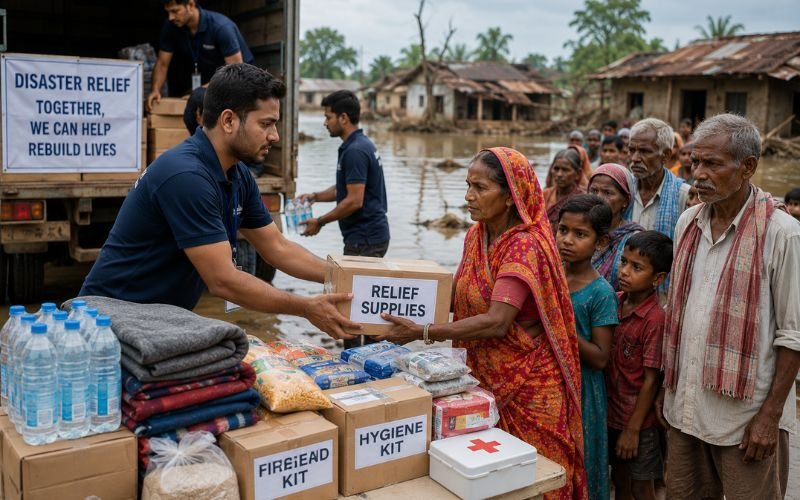
But emergency relief is not only about providing immediate food or shelter. Families may also need clean water, medicines, hygiene supplies, healthcare and continued support while rebuilding their lives. Current disaster-relief programmes commonly combine these types of assistance because health and sanitation risks can increase after disasters.
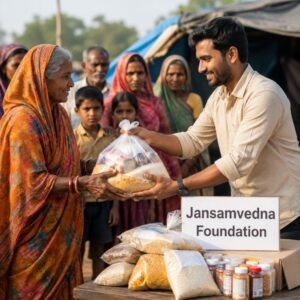
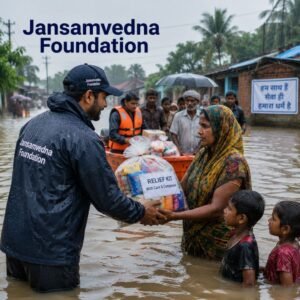
The First Priority: Immediate Relief
During an emergency, affected families may lose access to basic necessities. Food, drinking water, medicines, hygiene products and temporary shelter can become immediate priorities.
Children, women, elderly people and people with disabilities may require additional attention because they can face greater difficulties during displacement.
Healthcare During Emergencies
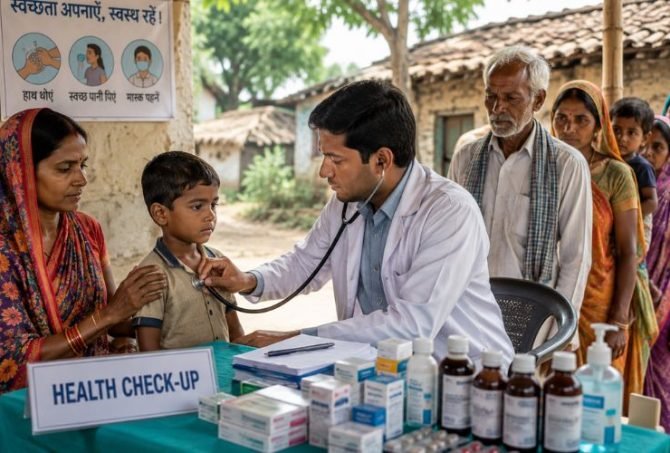
Disasters can create serious health risks. Contaminated water, poor sanitation, overcrowded shelters and interrupted medical services can increase the possibility of illness.
Providing medical consultations, essential medicines, health screening and referrals can therefore become an important part of disaster response.
Hygiene and Nutrition Matter Too
Relief efforts can also include hygiene kits and ready-to-eat food or essential nutrition support. Basic hygiene products can help families maintain cleanliness during difficult circumstances, while food assistance can provide immediate nutritional support.
Relief Today, Recovery Tomorrow
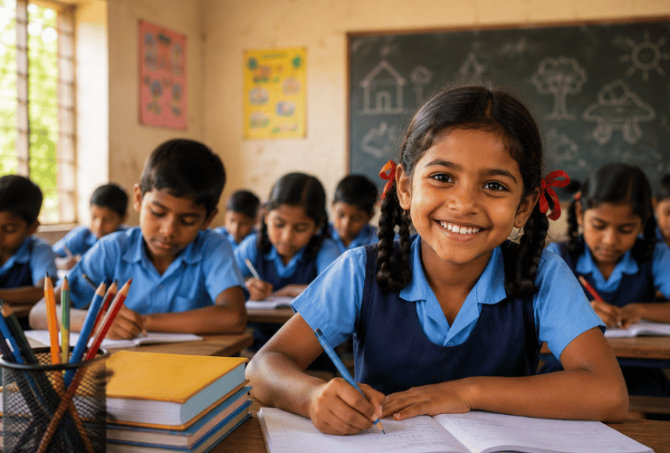
The impact of a disaster does not necessarily end when the emergency situation is over. Families may need continued assistance to restore normal routines, reconnect children with education, access healthcare and rebuild their livelihoods.
At Jansamvedna Foundation, we believe disaster response should focus on both immediate relief and the longer journey towards recovery.
How You Can Help
Your support can help us respond when communities are facing emergencies and provide essential assistance according to the needs on the ground.
Even a small contribution can become food for a family, medical support for someone who is ill, essential supplies for a displaced household or hope for someone trying to rebuild.
Conclusion
Disaster relief is ultimately about people — protecting their dignity, meeting their immediate needs and helping them move towards recovery.
Together, we can turn compassion into meaningful action when people need it most.